Foundation raising in Newport Beach CA - a home set higher on the right base
If storm water keeps reaching your floors, we help you lift the house onto a new foundation planned for your flood zone.
- Flood zone checked first We look up your zone before anyone talks about lifting.
- Design review for slabs A slab home gets a design professional's review before any plan.
- Built for quake loads The new foundation is planned for the added earthquake load.
- Other sign-offs flagged early If an engineer or office must approve, you hear about it early.
- Fully licensed and insured.
- Free in-person estimates.
- Replies within 1 business day.
How do you know your house should be raised?
These are the things owners near the water notice first, and it's better to look at a raise before the next storm than after it puts water in the house.
Water at your door in storms
When heavy rain or a high tide brings water up to the threshold, your floor sits too low for its spot, and every storm puts floors and walls at risk.
A crawlspace that stays wet
Standing water or damp dirt under the house after rain usually means water is collecting where it can't drain, and the longer it sits, the more framing it can rot.
Stains low on the walls
A faint line or stain near the baseboards often marks where water reached before, and it tells you the house has flooded once and likely will again.
Floors that swell, doors that stick
Wood floors that cup and doors that bind after wet weather usually point to moisture coming up from below, and it tends to get worse each wet season.
A floor below the street
If your floor sits lower than the street or the yard, water runs toward the house instead of away, and patches at the door only hold so long.
Equipment sitting near the ground
A water heater, ducts or wiring down low are the first things a flood ruins, and replacing them after every storm adds up faster than planning them higher once.
How we approach foundation raising
Before we talk about lifting anything, I look up your flood zone and what the house sits on now, because those two things decide what can go under it, and a slab home gets a design professional's review before we plan a thing. On most houses, the house is separated from its old foundation, raised on hydraulic jacks and held on temporary supports while our crew builds the new or extended foundation below, and then it's set down on it. Raising a house can make it more likely to be damaged in an earthquake, so the new foundation is planned for that added load, and old footings, the concrete pads the walls rest on, stay only if they can safely carry it along with the flood and wind forces. That foundation disappears under the house on day one, which makes it the part owners want to trim, and it's the last place I'd cut, because a good-looking house on a weak base just moves the problem up a few feet. The price moves with the size of the house, what it sits on now and the foundation your zone calls for, and the schedule turns mostly on the design review and the approvals, so your written estimate is where you see your own figures.
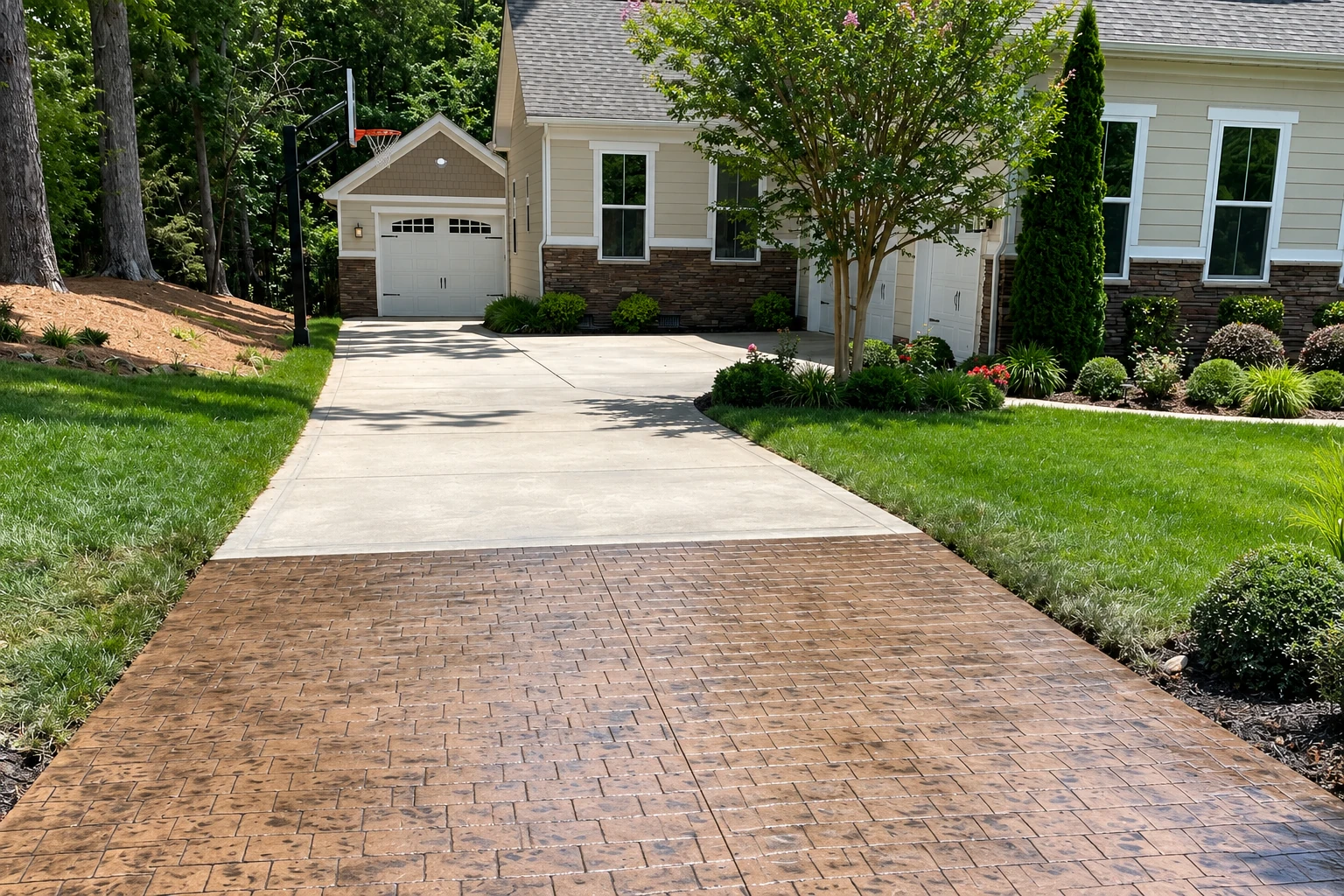
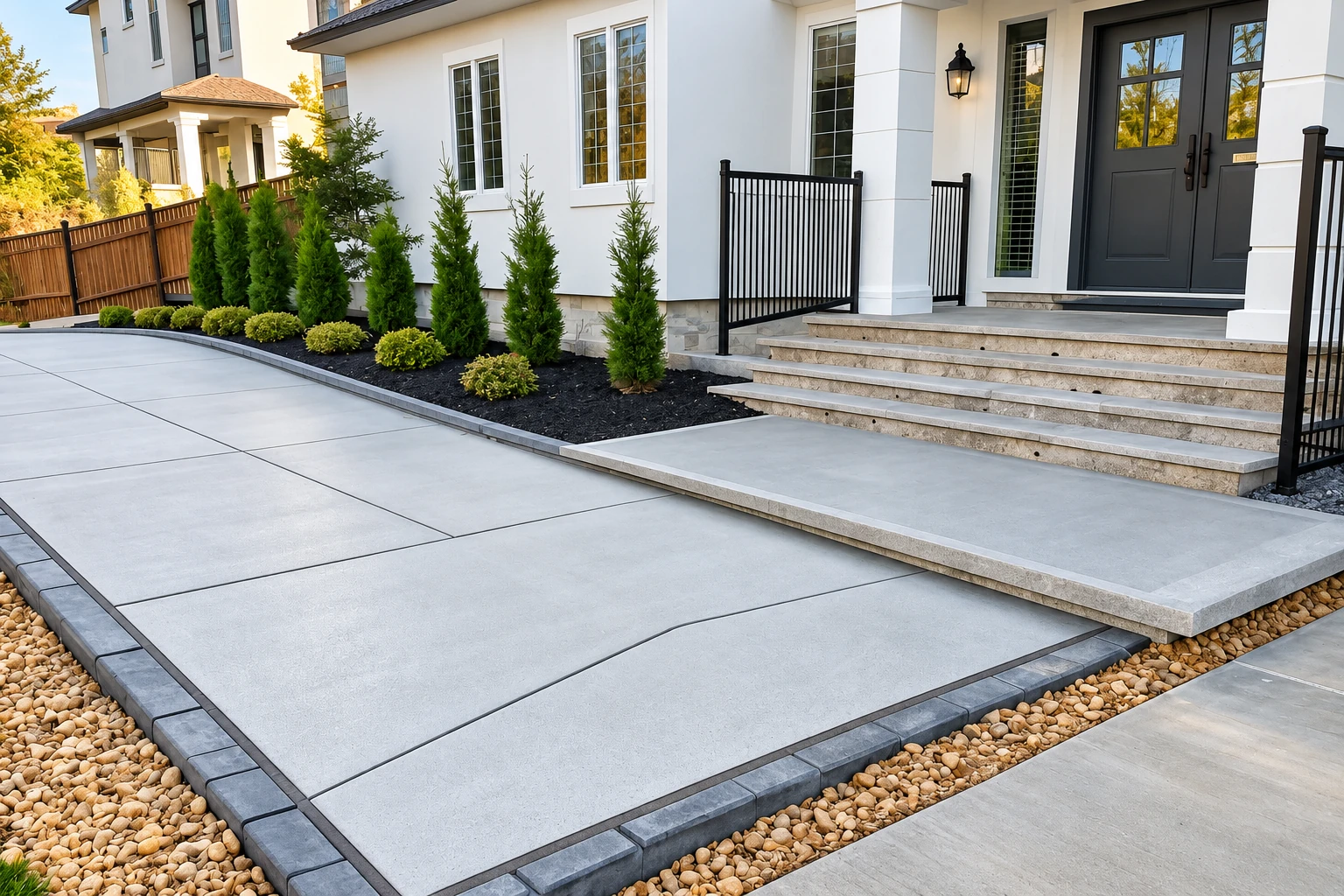
Raising a house usually brings concrete work with it. If an old wall or slab sits where a new footing or a utility line has to go, concrete cutting gives you a clean opening instead of a broken edge, and if the old foundation can't be kept, foundation installation puts a whole new one under the house. Once the house sits higher, the driveway often has to come up to meet the garage and pitch water away from it, which is where concrete driveway building comes in.
What happens when you call us about raising your house?
From your first call to the final walk-through, I'm the one who looks at the house, and our own crew does the work.
Call or send the form
Call (949) 691-0410 or send the form, and we'll set a time for me to come out. Have your address and flood zone handy.
Walk it and write it up
I measure, look at what the house sits on and around it, and ask how you'll use the space, then you get it in writing.
Permits, base and pour
We pull permits for our part and book the city inspections, then our crew preps the base and pours the foundation under the raised house.
Walk the finished job
Once the house is set down and we've cleaned up, we walk the job with you and go over what's now under it.
Why Newport Beach homeowners call Homestead Newport Beach Concrete
The owner at every estimate
I come out to every estimate and plan the job, and our own crew does the work under a foreman I trained.
Taught to tear out rushed work
I learned under an old-school boss who made me redo anything rushed, and I've run this business that way since 2013.
Licensed, insured, honest about trades
We're fully licensed and insured, and if part of your raise belongs to an engineer or another trade, I say so up front.
Tight lots near the water
Many houses here sit close together with tight side yards, and jobs with a catch like that are what we're known for.
Get a written estimate for raising your house
Tell us your address, what the house sits on now and your flood zone if you've looked it up. We reply within one business day to set up my free visit, and there's no pressure to book.
Foundation and concrete examples
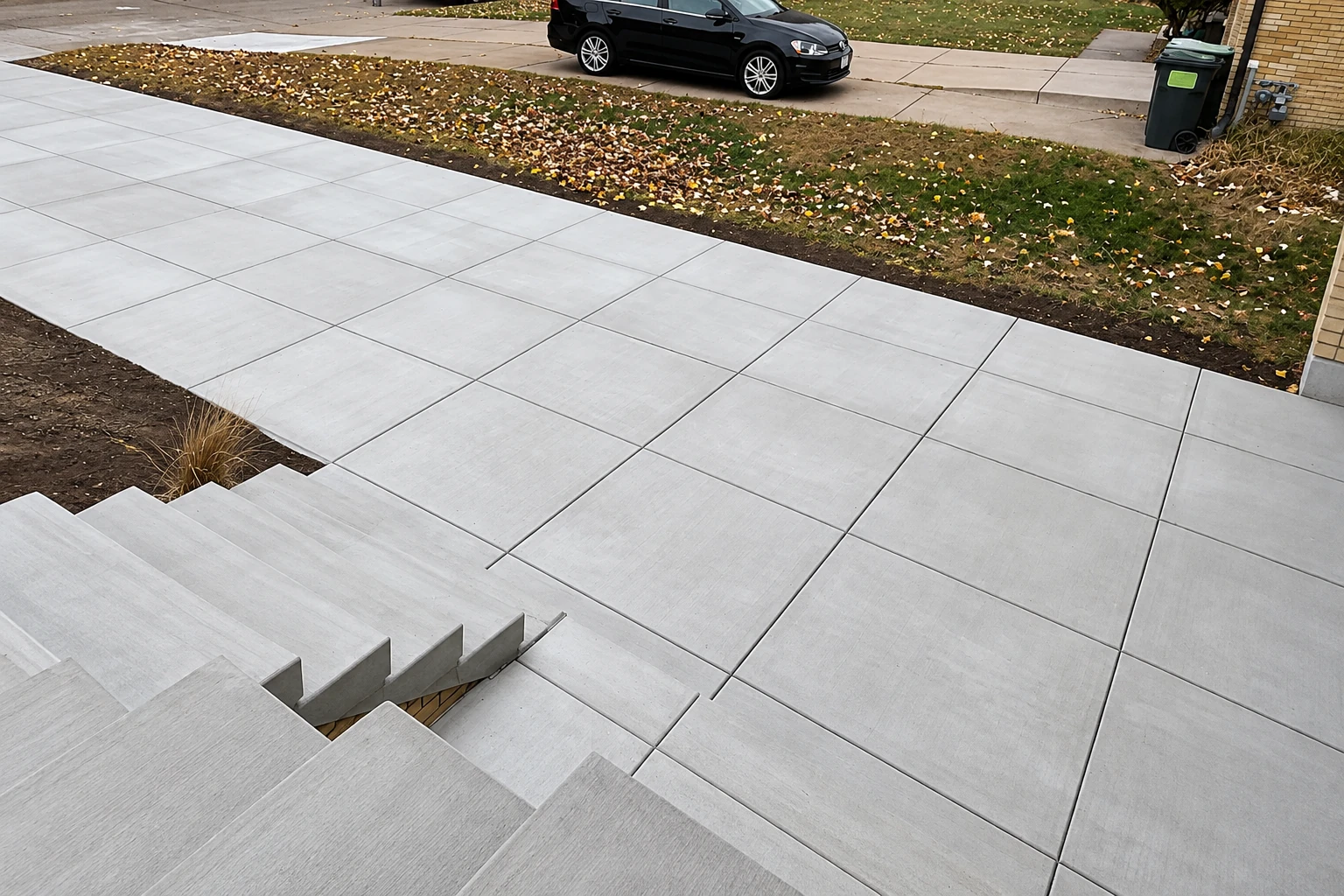
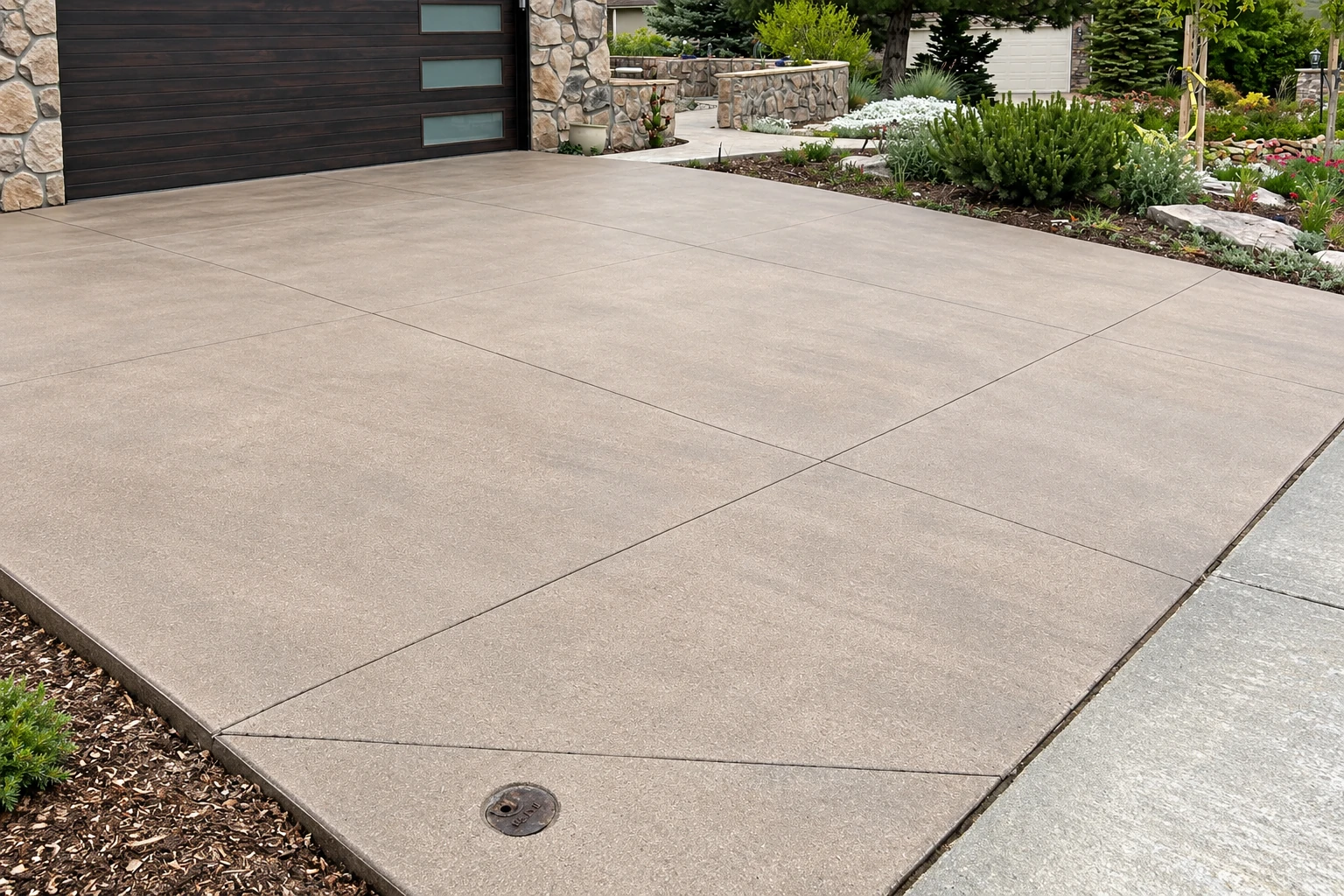
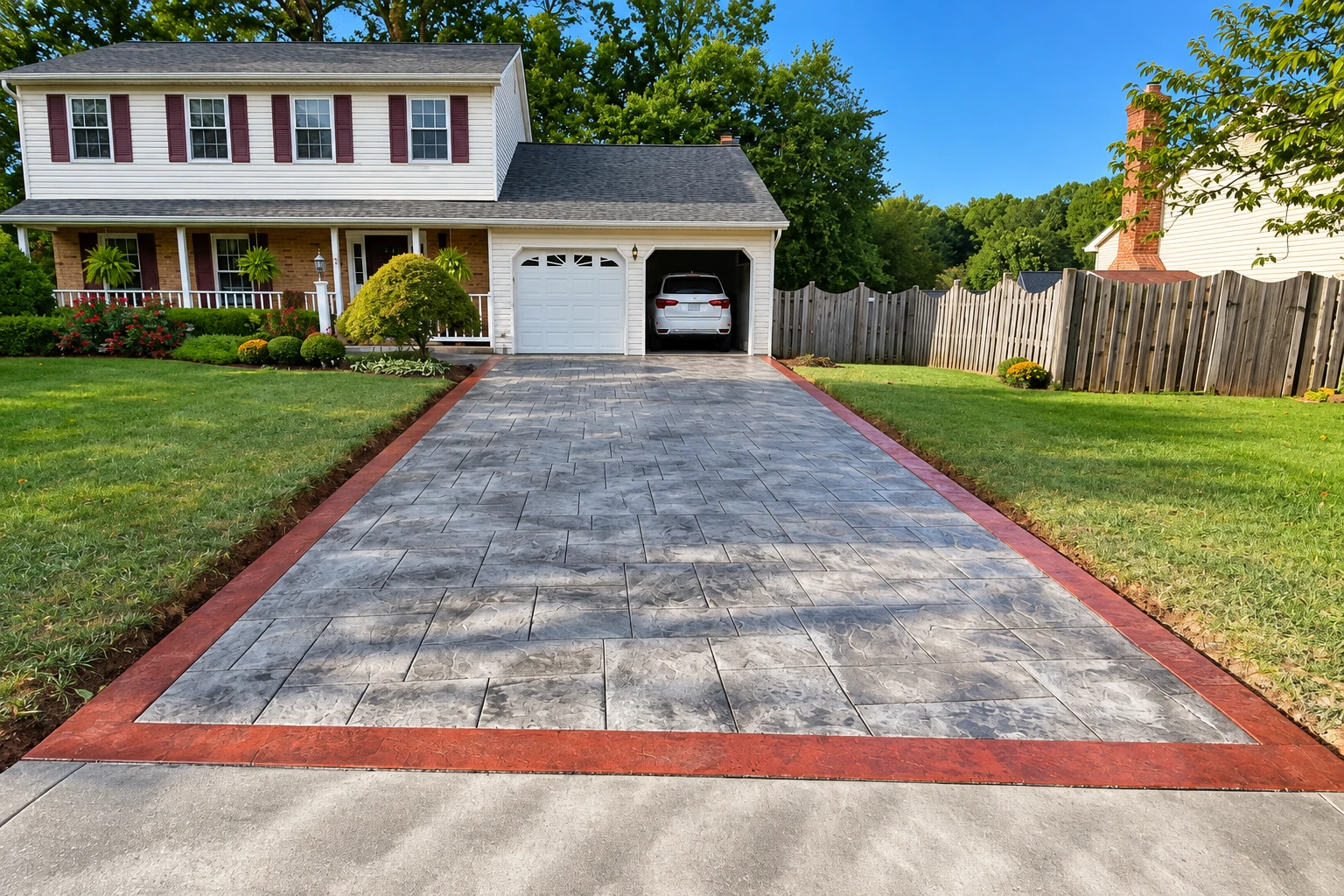
Look through these examples of foundation and concrete work to see the kind of work that goes under and around a raised house.
Questions about raising a house
Here are straight answers to what Newport Beach owners ask most about raising a house, and if yours has a twist, call and ask me about it.
How do I find out if my slab home can be raised in Newport Beach?
Start with a registered design professional, because raising a slab home with the slab still attached is technically hard and often not possible. Have the slab evaluated thoroughly before you settle on raising, and if it's a go, I plan our foundation work around what they find.
What is the best way to choose a foundation for a raised house in a V zone?
Rule out a closed foundation first, because foundation walls, crawlspaces and stem walls are prohibited in V zones and not recommended in Coastal A zones. They block floodwater and give waves a big surface to push against, and any foundation can still be undercut by erosion or hit by debris, so ask how the design handles that. You can look up your zone on the city's flood page before I come out.
Do I need a coastal development permit to raise my house in Newport Beach?
If your house is in the coastal zone, generally yes, since development there, including building work, needs a coastal development permit before it starts. The California Coastal Commission or a local government issues them, and once the Commission certifies a city's local coastal plan, most of that authority passes to the city, which also runs its own floodplain rules for flood hazard areas. We find out which approvals your job needs, pull the permits for our part and book the city inspections, and if an engineer or another office has to sign off first, we tell you early.
Which contractor license covers raising a house in California?
The state licensing board lists a building moving and demolition class that covers raising, lowering and moving structures, including their foundations. That class doesn't cover alterations, additions, repairs or rehab on the parts of the house that stay, so I'll tell you at the estimate which pieces go to which trade.
How much does it cost to raise a house in Newport Beach?
I can't give you a fair number without seeing the house, so your price comes in the written estimate after my visit. Look at your other plans too, because if repairs, remodeling and additions cost more than 50 percent of the home's fair market value, the whole building has to meet local floodplain and building codes. The city publishes which project costs count toward that and which don't.
What can I use the space under a raised house for?
If it's enclosed, only parking, access to the house or storage. It has to be built with flood damage-resistant materials, and all the service equipment, like the water heater and electrical, has to sit above the design flood level, the flood height the house is planned to stay dry above.
Where we work around Newport Beach
We're based in Newport Beach, where the city has its own floodplain rules, and we work in the cities around it, like Costa Mesa and Huntington Beach. Pick yours below.
Find out if your house can be raised
Have your address, what the house sits on and your flood zone from the city lookup ready, then call (949) 691-0410 or send the form.